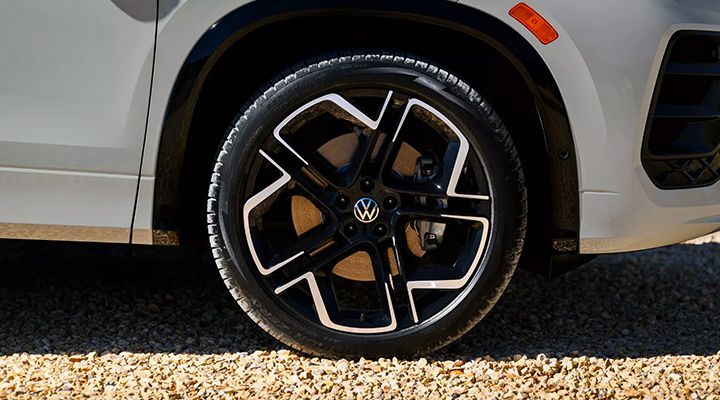
When to Switch to Winter Tires in Edmonton
The right time to install winter tires is before Edmonton's first serious winter drive, not after it. Snowfall is easy to notice, but temperature...
Read more
West Edmonton Volkswagen
10220 170 St NW, Edmonton, AB, T5S 1N9A practical guide to home charging, public fast charging, cold-weather planning, and everyday EV routines.

Electric vehicle charging is easiest to understand when you separate it into three jobs: routine charging where the vehicle normally parks, faster charging during longer travel, and backup charging when plans change. The ideal mix depends on daily kilometres, access to electricity, the exact Volkswagen EV, and how often you travel beyond Edmonton.
A driver who can charge at home every night will have a different experience from someone who parks on the street or relies on a shared condominium station. Before choosing an EV, map the charging routine as carefully as the payment, range, and features.
A standard 120-volt household outlet provides Level 1 charging. It adds energy slowly and may be useful for light daily driving, occasional top-ups, or emergency backup. It should not be treated as the default solution until you compare its output with the distance you need to replace each day.
Level 2 charging uses a 240-volt supply and is the usual choice for dependable home charging. It can also be found at workplaces, hotels, shopping centres, and public parking. DC fast charging supplies energy much more quickly and is designed primarily for travel and time-sensitive stops. Actual speed at any charger depends on the vehicle, battery temperature and state of charge, charger output, site conditions, and how charging power changes during the session.

A licensed electrician should assess the electrical panel, available capacity, circuit requirements, cable length, charger location, weather exposure, and permit needs. The installation should allow the cable to reach the charging port safely without being stretched across a walkway or exposed to avoidable damage.
Condominium, apartment, and rental situations may require approval from a board, landlord, or property manager. Ask who pays for installation and electricity, how access is controlled, whether charging can be scheduled, and what happens if more residents add EVs later. These conversations are easier before the vehicle is delivered.
Before a regular trip, check the station operator, connector compatibility, available power, payment method, access hours, and recent station status. A charger shown on a map may be occupied, offline, blocked, or slower than expected. Identify a backup nearby and avoid arriving with so little remaining energy that one unavailable station becomes an emergency.
Charging usually slows as the battery becomes fuller, so road-trip stops often focus on adding enough energy to reach the next planned charger rather than waiting for 100 percent. The most efficient plan can change with weather, elevation, headwinds, speed, traffic, and passenger or cargo load.

Cold temperatures increase the energy needed to warm the battery and cabin, while snow, winter tires, wind, and difficult roads can raise consumption. Cold battery temperatures can also affect charging speed. Treat the vehicle's range display as a live estimate and leave more reserve than you would during mild weather.
When possible, precondition the cabin while the vehicle is plugged in so some heating energy comes from the charger. Keep the charging port and connector clear of snow and ice, protect the cable from plows and shovels, and never force a frozen connector. On a long winter route, plan an earlier stop and at least one backup location.
Most drivers do not need to visit a charger every time the battery drops. A routine can be as simple as plugging in at home on selected nights and setting a departure schedule when supported. Review the owner's information for the recommended everyday charging settings and any instructions for extended parking or severe temperatures.
Keep the charging apps, accounts, and payment methods you use up to date. Store the portable cable securely, inspect it for damage, and know who to contact if a session will not start. A few minutes of preparation prevents most charging frustrations from becoming urgent.
Browse new Volkswagen inventory, compare financing options, or learn about Volkswagen service in Edmonton. West Edmonton Volkswagen can help confirm the charging specifications, included equipment, warranty coverage, and current programs for the exact EV you are considering.
For many drivers, a properly installed 240-volt Level 2 home charger offers the most convenient daily routine. The right setup depends on the vehicle, property, electrical capacity, parking arrangement, and kilometres driven.
It can. Cold battery temperatures and other conditions can reduce charging speed and increase energy use. Preconditioning while plugged in and allowing a larger time and range buffer can make winter charging more predictable.
That can work for some drivers, but it requires careful consideration of station location, availability, pricing, compatibility, and backup options. Reliable charging where the vehicle normally parks is usually more convenient.
When to Switch to Winter Tires in Edmonton
The right time to install winter tires is before Edmonton's first serious winter drive, not after it. Snowfall is easy to notice, but temperature...
Read more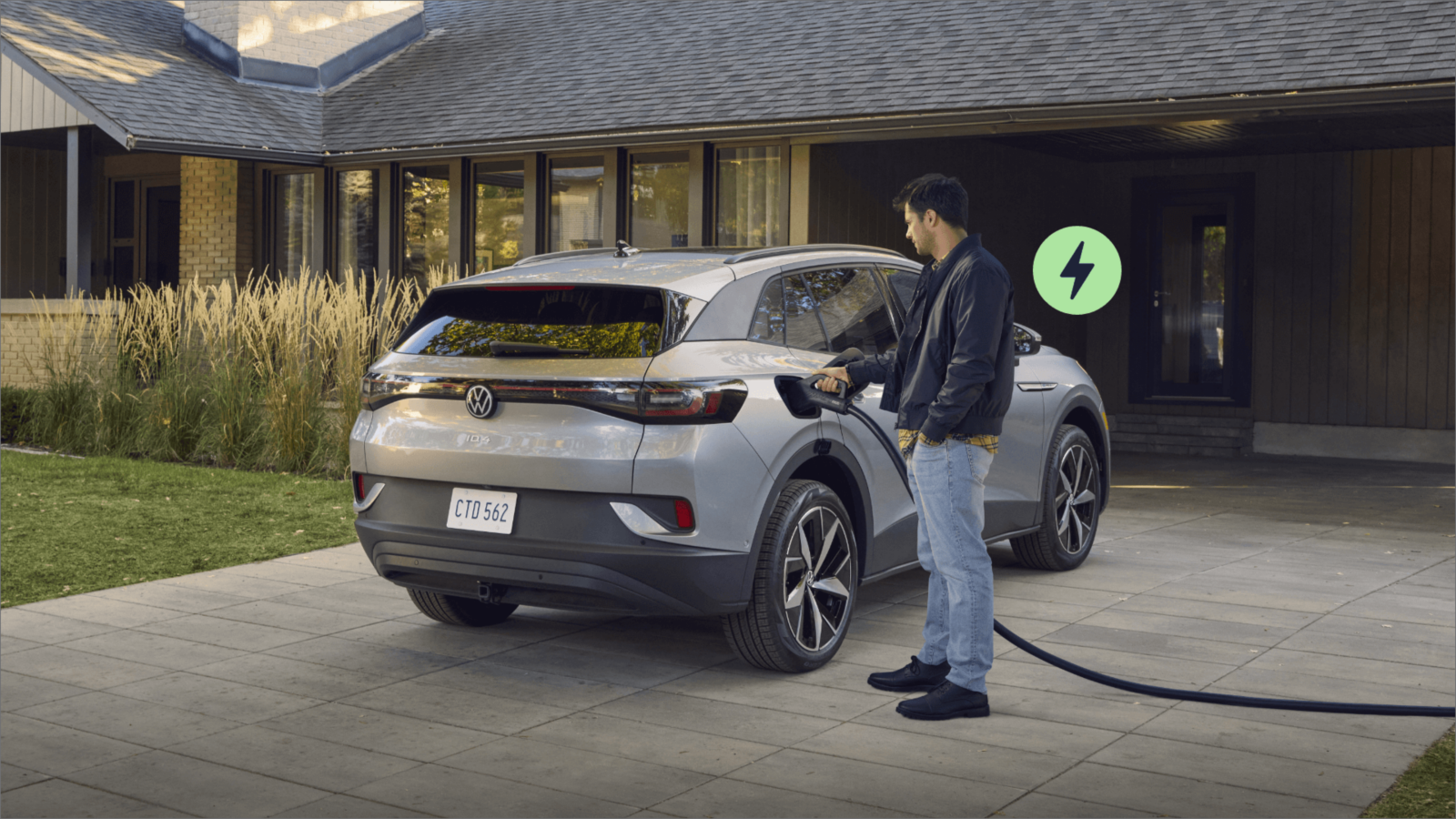
Volkswagen ID.4 in Edmonton: A Practical Guide to Electric SUV Ownership
The Volkswagen ID.4 approaches electric driving in a reassuringly familiar way. It gives you the seating position, passenger room, hatchback cargo...
Read more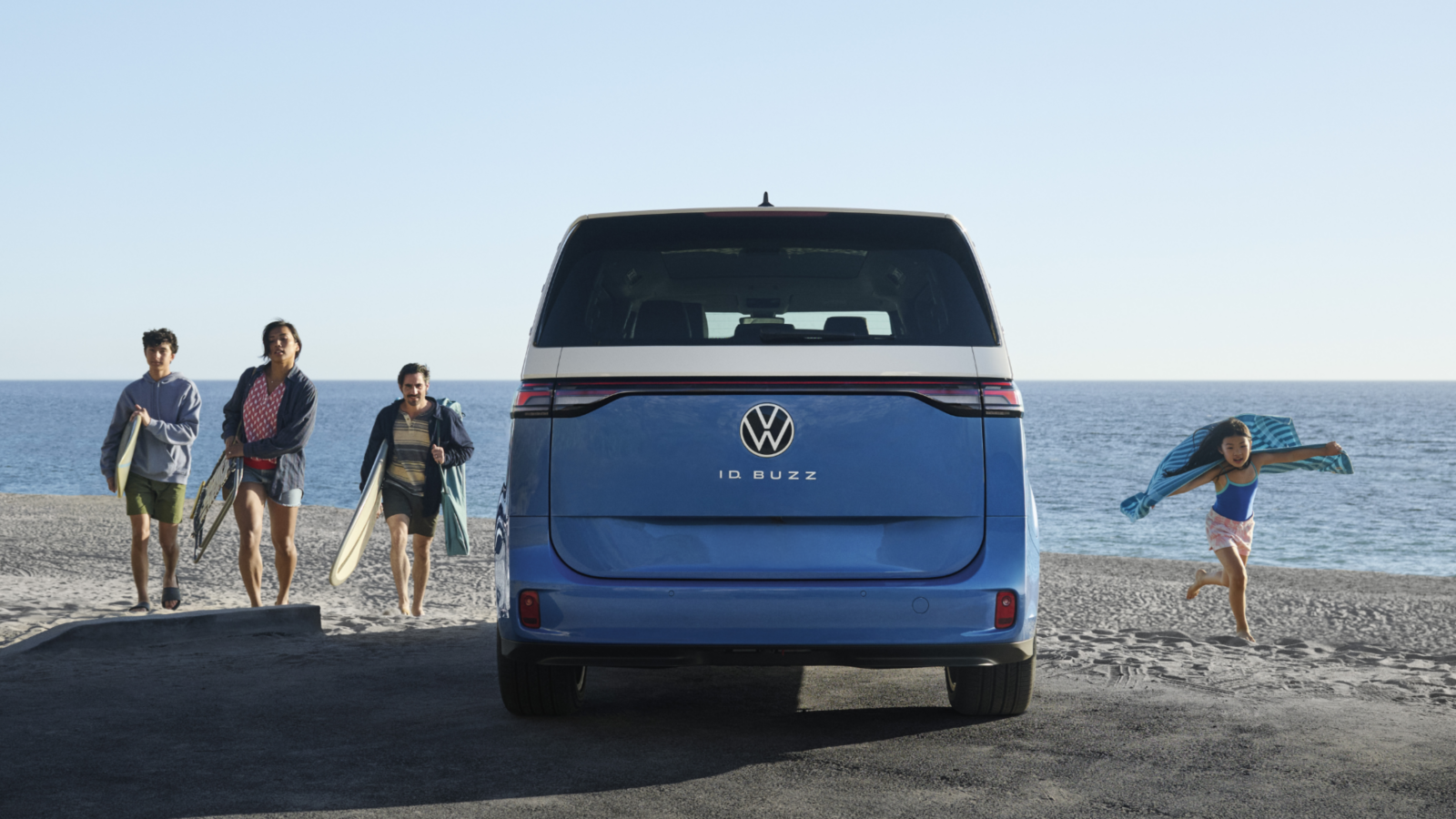
Volkswagen ID. Buzz in Edmonton: Space, Character, and Electric Everyday Use
The Volkswagen ID. Buzz is one of those rare vehicles that makes people look twice, but its appeal is not limited to nostalgia or two-tone paint....
Read morePowered and developed by