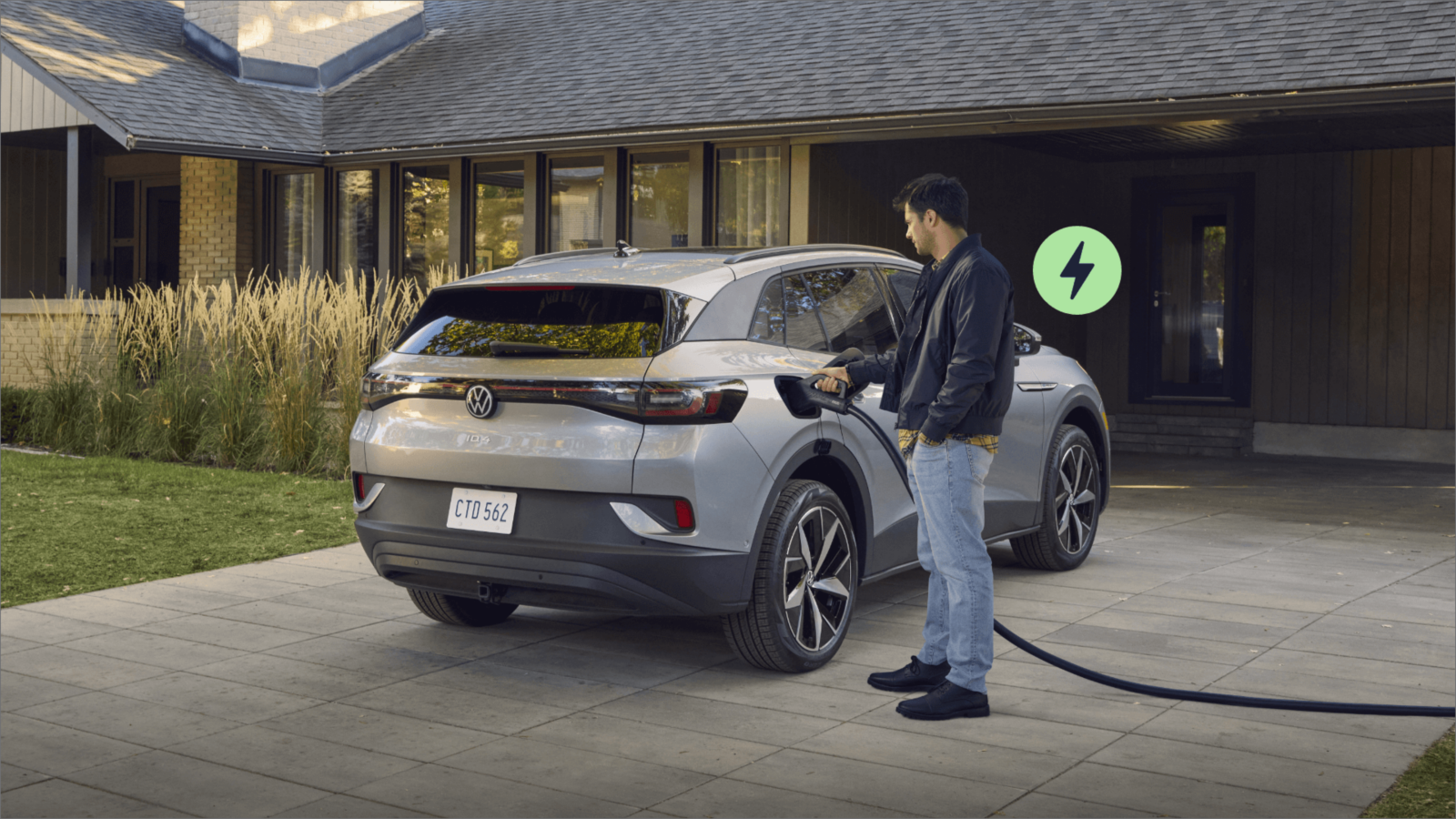
Volkswagen ID.4 in Edmonton: A Practical Guide to Electric SUV Ownership
The Volkswagen ID.4 approaches electric driving in a reassuringly familiar way. It gives you the seating position, passenger room, hatchback cargo...
Read more
West Edmonton Volkswagen
10220 170 St NW, Edmonton, AB, T5S 1N9Use temperature, tire condition, and early service planning to prepare your Volkswagen before Edmonton winter arrives.
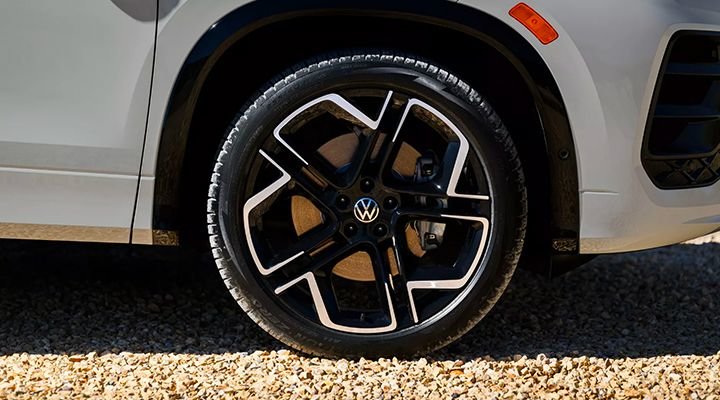
The right time to install winter tires is before Edmonton's first serious winter drive, not after it. Snowfall is easy to notice, but temperature is the better planning signal. Transport Canada explains that below 7°C, all-season and summer tire compounds begin to lose elasticity and traction, while winter tires are designed to remain flexible in colder conditions.
That does not mean every driver needs to book on the first cool morning. Watch the forecast for consistently colder days and nights, consider when and where you drive, and schedule early enough to avoid the rush that follows the first major snowfall.
When daily temperatures are regularly approaching or falling below 7°C, winter tires begin to offer a meaningful cold-weather advantage even if the pavement is dry. Edmonton can move quickly from mild afternoons to freezing mornings, so waiting for permanent snow cover can leave you driving through frost, slush, or an early storm on a less suitable compound.
Your timing should also reflect exposure. Early-morning commuters, highway drivers, shift workers, rural travellers, and anyone who must drive regardless of the forecast may benefit from installing earlier than a driver who can leave the vehicle parked during poor weather.
Winter tires are designed around more than deep snow. Their cold-weather compounds and tread patterns support acceleration, steering, cornering, and braking on cold pavement, slush, packed snow, and ice. Look for the three-peak mountain snowflake symbol, which identifies tires designed to meet specific severe-snow traction requirements.
Install winter tires as a set of four. Mixing tire types or using winter tires on only one axle can create an imbalance between the front and rear of the vehicle. Transport Canada advises matching type, size, speed rating, load index, construction, and tread pattern to support predictable handling.
Volkswagen 4MOTION can help distribute power when accelerating on a slippery surface, but the tires are the vehicle's contact with the road. All-wheel drive does not create extra braking grip and cannot compensate for a tire compound that has hardened in the cold.
The same principle applies to front-wheel-drive, rear-wheel-drive, and electric Volkswagens. Proper winter tires help every drivetrain respond more consistently when the driver needs to stop, steer around a hazard, or maintain control through a corner.
Before reinstalling a stored set, inspect every tire for uneven wear, cracks, cuts, bulges, embedded objects, and damage around the bead. Transport Canada advises against using tires worn close to 4 mm of tread depth on snow-covered roads. Age also matters because rubber changes over time even when tread remains.
Confirm the tire and wheel size, load rating, speed rating, wheel condition, bolt hardware, and tire-pressure monitoring requirements for the exact Volkswagen. Tire pressure falls as temperatures drop, so it should be checked when the tires are cold and adjusted to the vehicle specification—not the maximum number printed on the tire sidewall.
A dedicated winter wheel package can simplify seasonal changes and reduce repeated mounting and dismounting of tires. It may also allow a practical winter wheel size when approved for the vehicle. The tradeoff is the upfront cost, the need for storage, and the importance of selecting compatible wheels, hardware, sensors, and tires.
Ask for a complete quote that includes installation, balancing, required hardware, tire-pressure monitoring components, and storage if needed. A qualified Volkswagen parts and service team can verify clearances and fitment for the exact model, trim, brakes, and model year.
Appointment demand rises sharply when the forecast changes. Booking early gives you more choice of times and more opportunity to replace a worn tire, repair a damaged wheel, or order the correct package before winter travel begins. Combine the visit with a check of the battery, wipers, washer fluid, lights, brakes, and other seasonal items when appropriate.
After installation, store the off-season set in a cool, dry, clean location away from sunlight, heat, moisture, and chemicals. Mark each tire's position if the service provider has not already done so, and follow the recommended rotation plan at the next changeover.
Learn about Volkswagen service in Edmonton, speak with the Volkswagen parts department, or book a service appointment before seasonal demand peaks.
Plan the change when temperatures are regularly approaching or falling below 7°C. Winter tires retain flexibility in cold conditions, while all-season and summer compounds begin to lose elasticity.
Yes. Transport Canada recommends winter tires on all wheels and advises using tires with matching type, size, speed rating, load index, construction, and tread pattern to support stable handling.
No. 4MOTION can help distribute power for acceleration and control, but winter tires provide the cold-weather grip needed for braking, steering, and cornering.
Volkswagen ID.4 in Edmonton: A Practical Guide to Electric SUV Ownership
The Volkswagen ID.4 approaches electric driving in a reassuringly familiar way. It gives you the seating position, passenger room, hatchback cargo...
Read more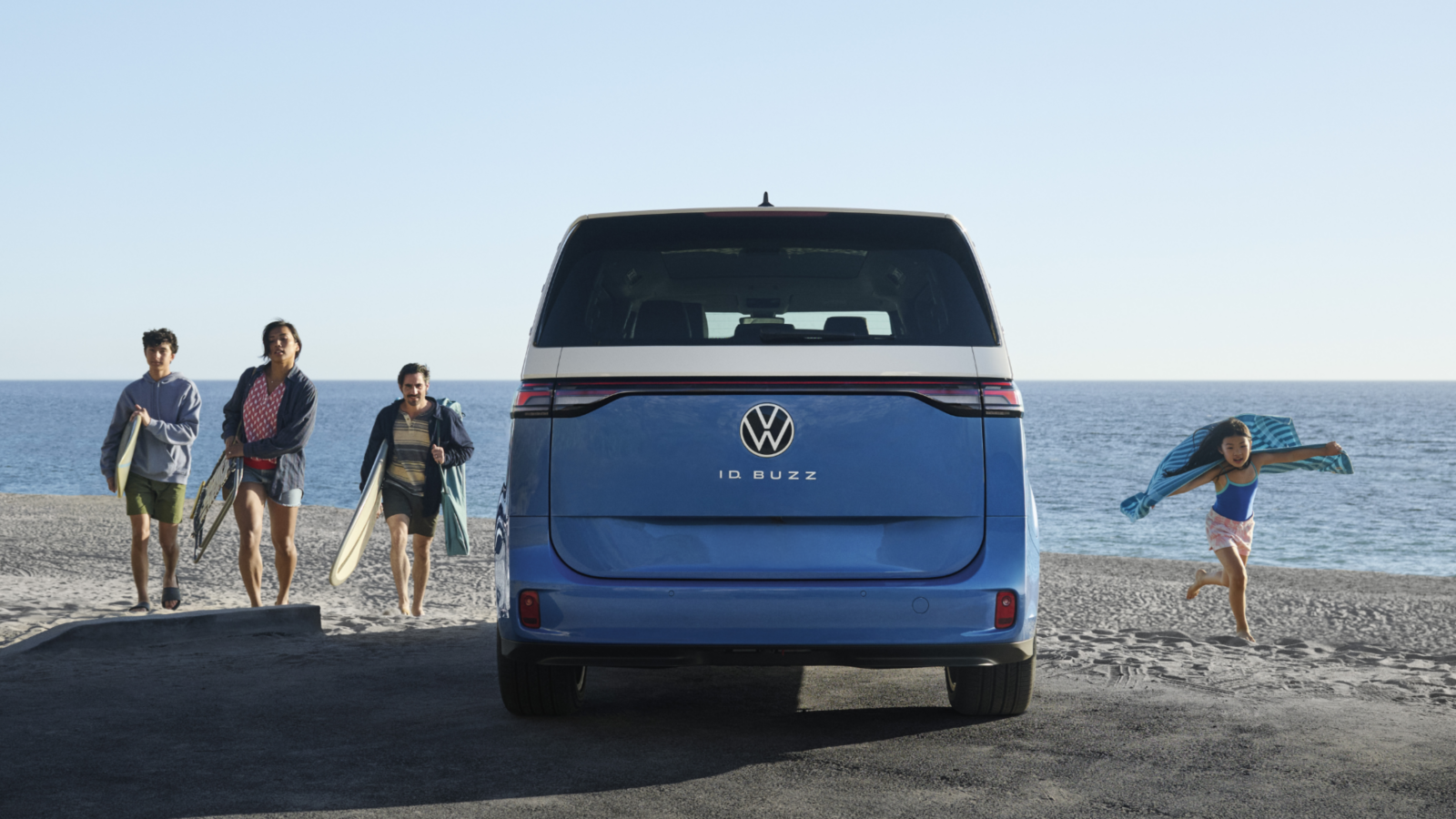
Volkswagen ID. Buzz in Edmonton: Space, Character, and Electric Everyday Use
The Volkswagen ID. Buzz is one of those rare vehicles that makes people look twice, but its appeal is not limited to nostalgia or two-tone paint....
Read more
Volkswagen EV Charging in Edmonton: Home, Public, and Winter Planning Basics
Electric vehicle charging is easiest to understand when you separate it into three jobs: routine charging where the vehicle normally parks, faster...
Read morePowered and developed by