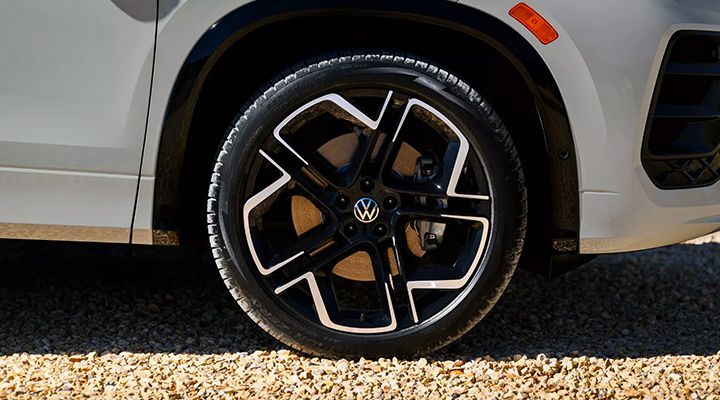
When to Switch to Winter Tires in Edmonton
The right time to install winter tires is before Edmonton's first serious winter drive, not after it. Snowfall is easy to notice, but temperature...
Read more
West Edmonton Volkswagen
10220 170 St NW, Edmonton, AB, T5S 1N9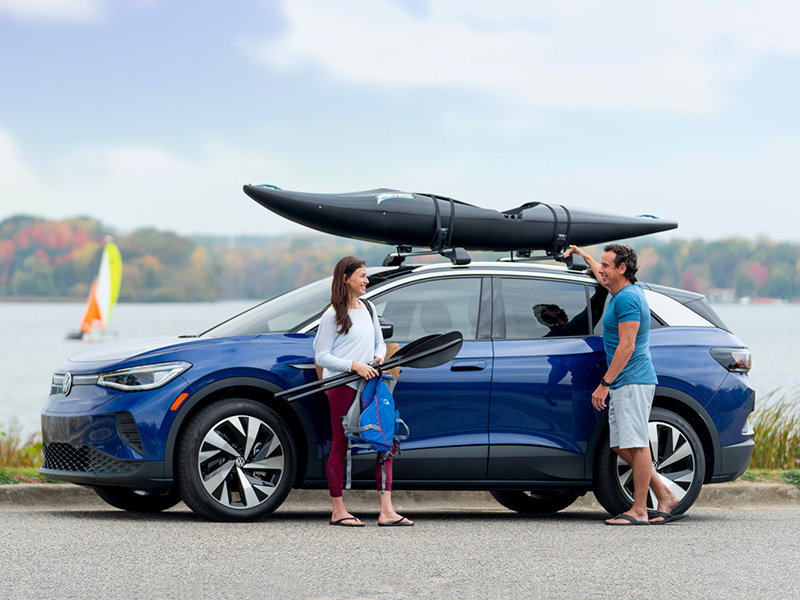
With the arrival of the Volkswagen ID.4 and ID. Buzz, the electric future is no longer a compromise between utility and sustainability. These electric vehicles are equipped with cutting-edge battery systems and intelligent energy management software, but what separates confident EV drivers from range-anxious ones is a solid understanding of how to get the most out of each charge.
Battery range ratings are based on standardized testing cycles, but real-world variables such as wind resistance, elevation, road surface, and weather can lead to deviation. A fully loaded ID. Buzz driven through cottage-country hills will perform differently than a lightly loaded ID.4 gliding through city traffic.
Understanding that EV range is dynamic and adapting driving behaviour accordingly is key to unlocking the full potential of the battery. The more data you collect about your driving habits and conditions, the better you can anticipate actual range, making you a more informed and confident driver.
Lithium-ion batteries are sensitive to temperature extremes. Cold weather in particular affects range by reducing battery efficiency and increasing energy demands for cabin heating. Volkswagen mitigates this with thermal management systems that warm or cool the battery for optimal operation.
Preconditioning your ID.4 or ID. Buzz before departure, while still connected to a charger, allows you to warm the cabin and battery without sacrificing driving range. Furthermore, storing the vehicle in a garage when possible and avoiding unnecessary short trips can reduce cold start inefficiencies.
Range maximization doesn’t end once the battery is full. Knowing when, where, and how you charge your vehicle can influence overall battery health and range consistency. Frequent use of Level 3 fast charging is convenient but can stress the battery over time. Alternating between home Level 2 charging and occasional DC fast charging is ideal.
Volkswagen’s ID. vehicles also learn from your charging patterns. Setting a regular schedule for departure times allows the battery management system to optimize thermal conditioning in advance—another factor that enhances real-world range without driver input.
Electric vehicles are designed with efficiency in mind, and both the ID. Buzz and ID.4 feature clean aerodynamic lines. However, accessories like roof boxes, crossbars, or bike racks can disrupt airflow and increase drag, reducing range significantly at highway speeds.
Likewise, added weight from unnecessary cargo can tax the drivetrain. By keeping the load light and removing external accessories when not needed, drivers can restore efficiency to factory levels.
Volkswagen’s software suite actively manages how power is delivered to the wheels. Using the correct drive mode—especially “Eco” in urban settings—limits acceleration, softens throttle response, and adjusts climate control usage to maximize distance per charge. The system can also modify regeneration levels to recover more energy during braking or deceleration.
Future over-the-air updates may further enhance battery performance, route efficiency, and system intelligence. By keeping your vehicle’s software up to date, you are effectively improving your EV’s capabilities long after the purchase date.
When to Switch to Winter Tires in Edmonton
The right time to install winter tires is before Edmonton's first serious winter drive, not after it. Snowfall is easy to notice, but temperature...
Read more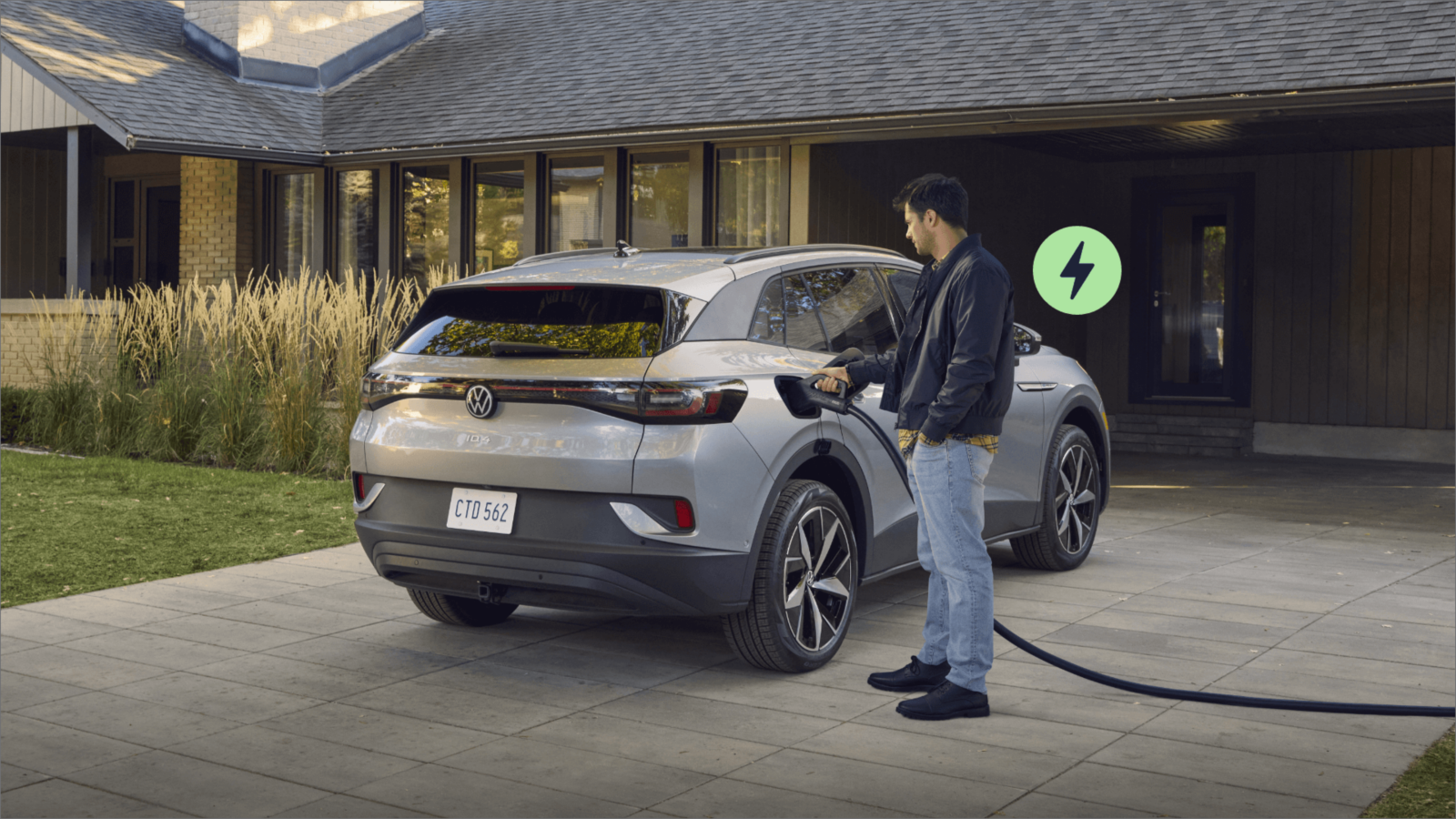
Volkswagen ID.4 in Edmonton: A Practical Guide to Electric SUV Ownership
The Volkswagen ID.4 approaches electric driving in a reassuringly familiar way. It gives you the seating position, passenger room, hatchback cargo...
Read more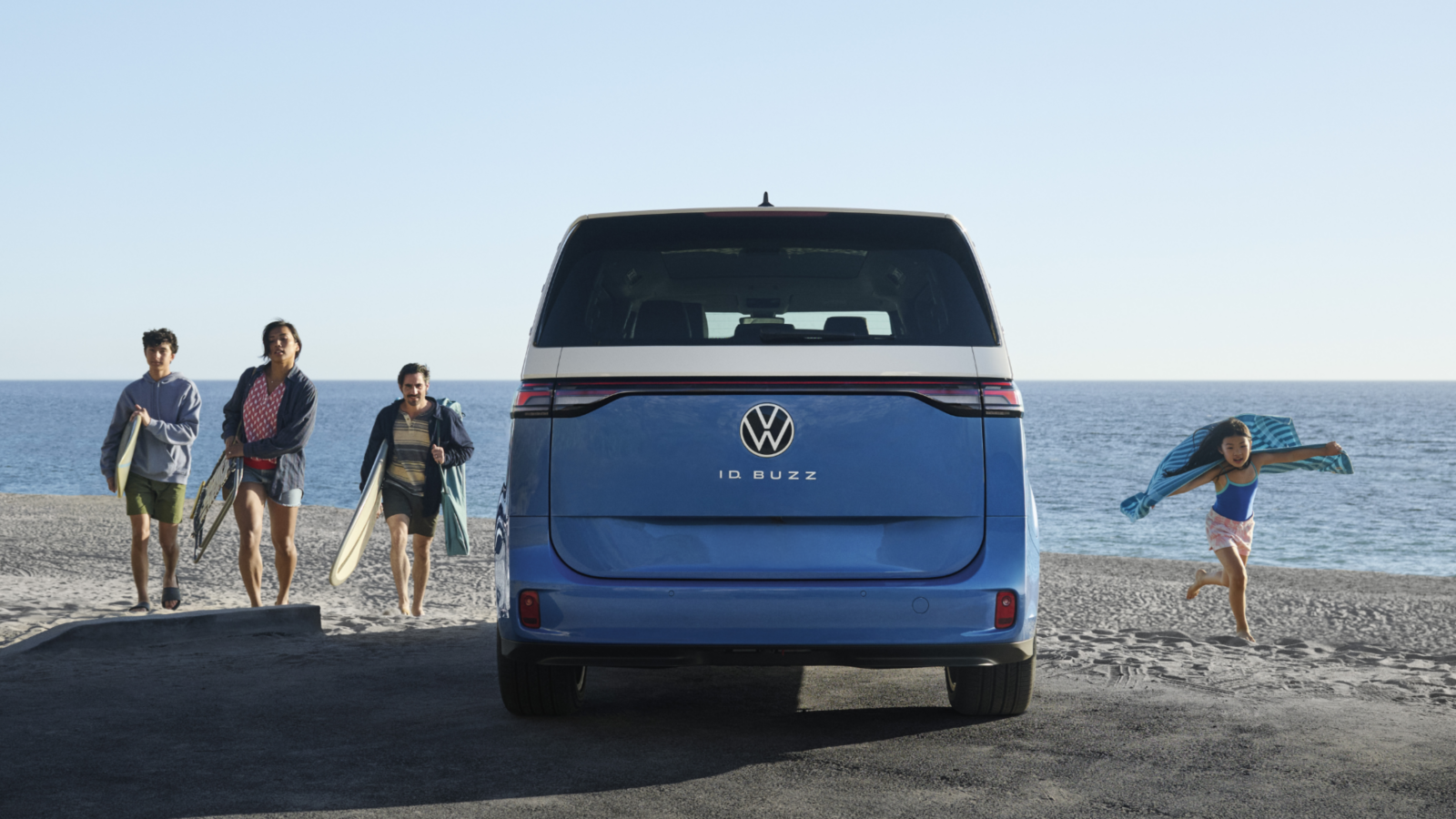
Volkswagen ID. Buzz in Edmonton: Space, Character, and Electric Everyday Use
The Volkswagen ID. Buzz is one of those rare vehicles that makes people look twice, but its appeal is not limited to nostalgia or two-tone paint....
Read morePowered and developed by