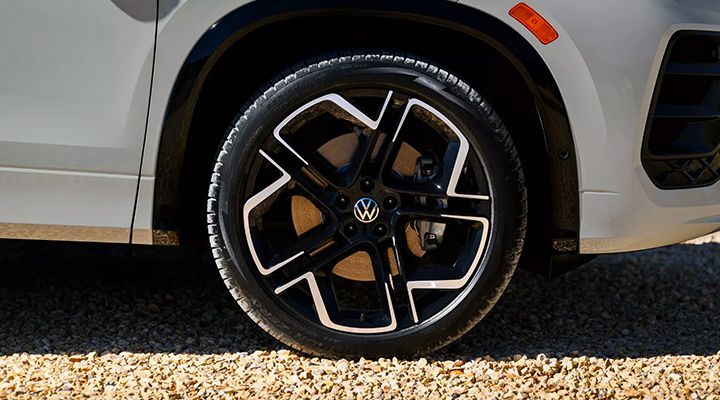
When to Switch to Winter Tires in Edmonton
The right time to install winter tires is before Edmonton's first serious winter drive, not after it. Snowfall is easy to notice, but temperature...
Read more
West Edmonton Volkswagen
10220 170 St NW, Edmonton, AB, T5S 1N9
All-wheel drive has evolved from a niche feature reserved for rugged vehicles into a fundamental performance and safety system across passenger cars, crossovers, and SUVs. One of the longest-standing AWD systems in the industry is Volkswagen’s 4MOTION. While many drivers have heard the term, understanding what it actually is and how it compares to competitors requires a deep dive into its engineering, operations, variants, benefits, and real-world performance.
Volkswagen introduced 4MOTION in the 1980s as part of an effort to enhance traction and stability across varying road conditions. The name itself is a Volkswagen trademark representing the brand’s suite of all-wheel drive solutions, deployed across multiple platforms and powertrains rather than a single one-size-fits-all system.
4MOTION is not one specific mechanical setup; instead, it is Volkswagen’s umbrella term for AWD systems that differ depending on engine layout and model application.
At its core, all 4MOTION systems share one primary objective: Deliver torque to all four wheels, optimizing traction, stability, and control. The key components and operating principles include:
Unlike traditional part-time systems that lock all four wheels together, 4MOTION operates on demand. The vehicle typically drives with front-wheel torque bias under normal conditions for efficiency, sending torque rearward only when slip is detected.
Volkswagen deploys different 4MOTION architectures depending on engine layout and model:
Found on vehicles like the Tiguan, Atlas Cross Sport, and many Golf variants, this system pairs a front-biased transverse engine with a Haldex multi-plate clutch at the rear driveshaft. Key characteristics include:
Used on performance models like the Golf R and some Audi platforms (through shared technology), this setup incorporates a Torsen or fifth-generation mechanical center differential, enabling:
The benefits of Volkswagen’s AWD system extend far beyond simple snow traction:
On slippery road surfaces—wet pavement, snow, gravel, or loose dirt—4MOTION quickly redistributes torque to wheels with grip, reducing wheelspin and spin-outs.
By leveraging all four contact patches, vehicles equipped with 4MOTION can launch more confidently and make better use of engine torque under hard acceleration.
Coordinated with ESC, 4MOTION reduces understeer and encourages balanced, neutral handling through challenging corners.
Drivers report an overall sense of confidence in changeable weather, especially when transitions occur abruptly (dry → wet → light snow).
One common misconception about AWD is that it drastically harms fuel efficiency. While any AWD system adds mechanical complexity and some weight, modern 4MOTION variants are engineered to minimize penalty.
For example, when comparing AWD to FWD versions of the Tiguan with similar engines, the fuel economy difference is typically around 0.5–1.5 L/100 km in combined driving—noticeable but moderate given the safety and traction benefits.
A comparison with other AWD systems helps contextualize 4MOTION’s value:
| System | Type | Torque Distribution | Typical Use |
|
4MOTION (Haldex) |
On-demand AWD | Up to 50/50 | Crossovers, compact cars |
| 4MOTION (Torsen) | Full-time AWD | Variable | Performance models |
| Subaru Symmetrical AWD | Full-time AWD | Balanced | Rally heritage, stability |
| Quattro (Audi) | Full-time AWD | Variable | Premium sport/luxury |
| X-Drive (BMW) | On-demand AWD | Dynamic | Sport sedans/SUVs |
4MOTION is comparable to other premium AWD setups in responsiveness and torque management, and its performance variants (e.g., in Golf R) are engineered for enthusiast-level dynamics.
Owners commonly cite:
Serviceability and durability are also strong points; proper maintenance of differentials and clutches ensures long life, even in regions with heavy winter use.
Routine 4MOTION care includes:
Although maintenance is slightly more involved than two-wheel drive vehicles, the components are robust, and many units exceed high mileage with stock service.
For drivers in areas with variable weather, mixed terrain, or those who prioritize added confidence under adverse conditions, 4MOTION provides a measurable advantage. Even in urban settings where winter roads and abrupt weather shifts are common, the system enhances the driving experience and control with minimal efficiency sacrifice.
When to Switch to Winter Tires in Edmonton
The right time to install winter tires is before Edmonton's first serious winter drive, not after it. Snowfall is easy to notice, but temperature...
Read more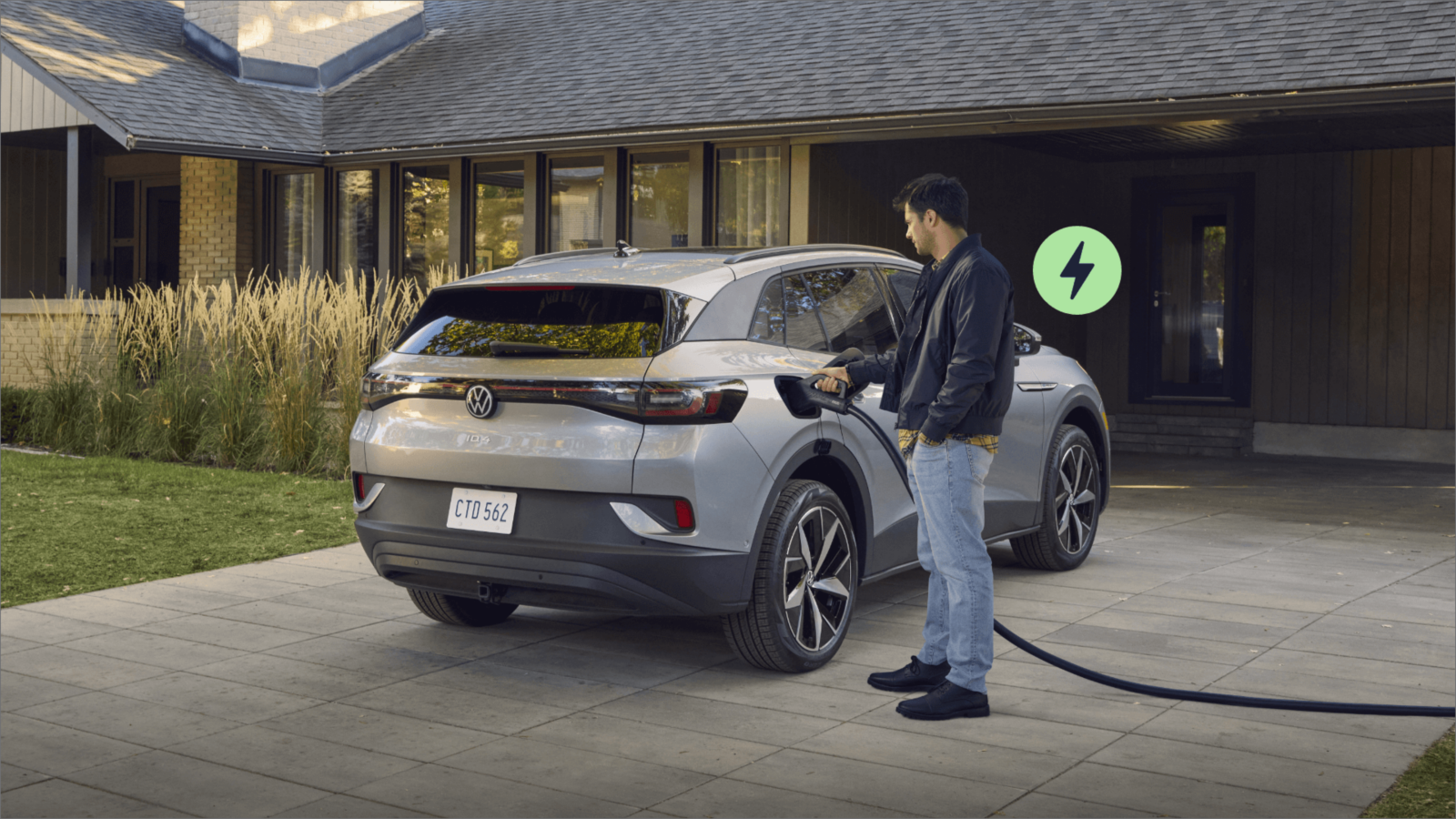
Volkswagen ID.4 in Edmonton: A Practical Guide to Electric SUV Ownership
The Volkswagen ID.4 approaches electric driving in a reassuringly familiar way. It gives you the seating position, passenger room, hatchback cargo...
Read more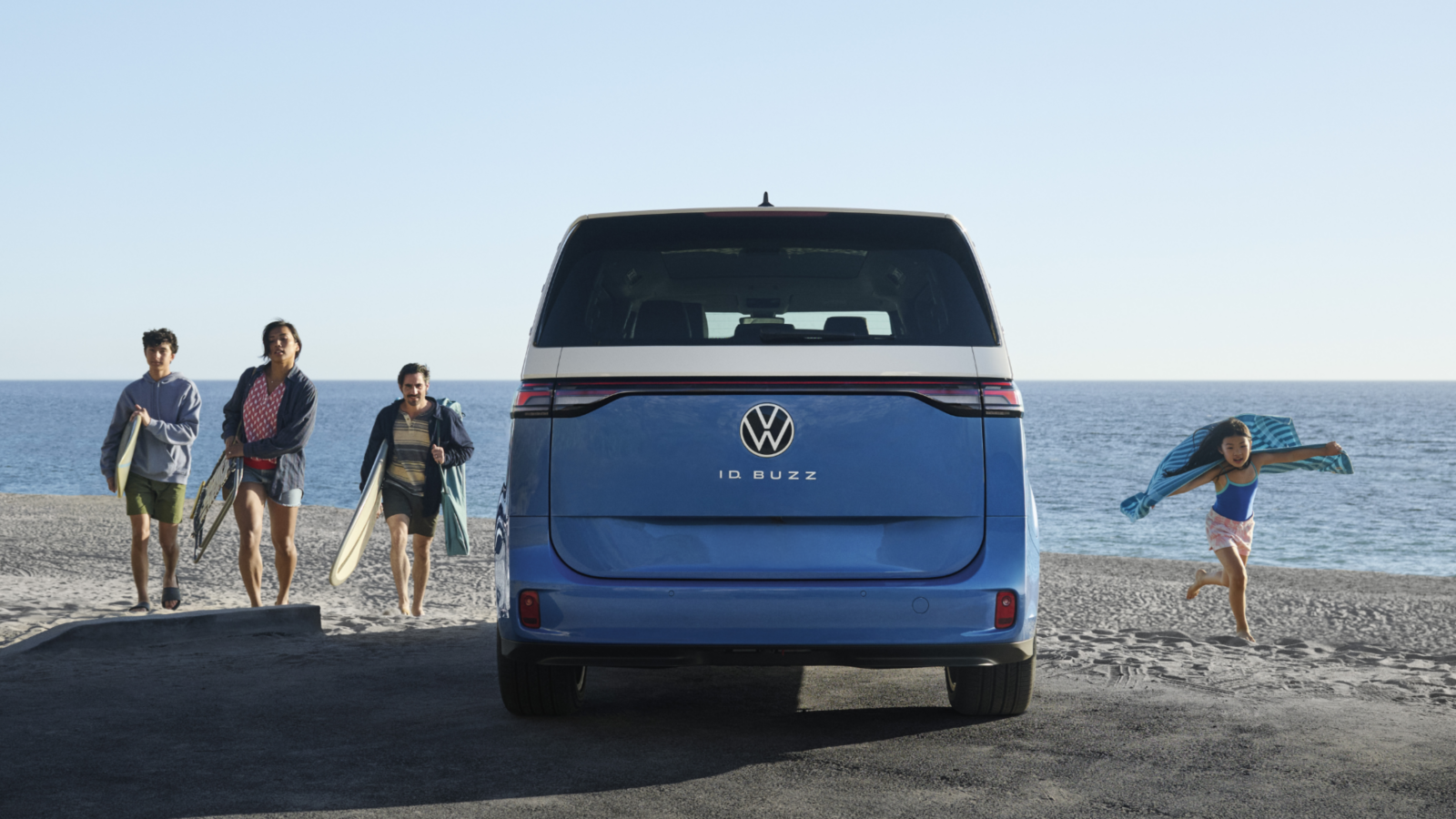
Volkswagen ID. Buzz in Edmonton: Space, Character, and Electric Everyday Use
The Volkswagen ID. Buzz is one of those rare vehicles that makes people look twice, but its appeal is not limited to nostalgia or two-tone paint....
Read morePowered and developed by